1
Загрузите фотографии
Загрузите чёткую фотографию анфас. При желании добавьте снимки в профиль — всего до четырёх фотографий.
Перетащите файл сюда
НЕОБХОДИМЫЕ РАКУРСЫ


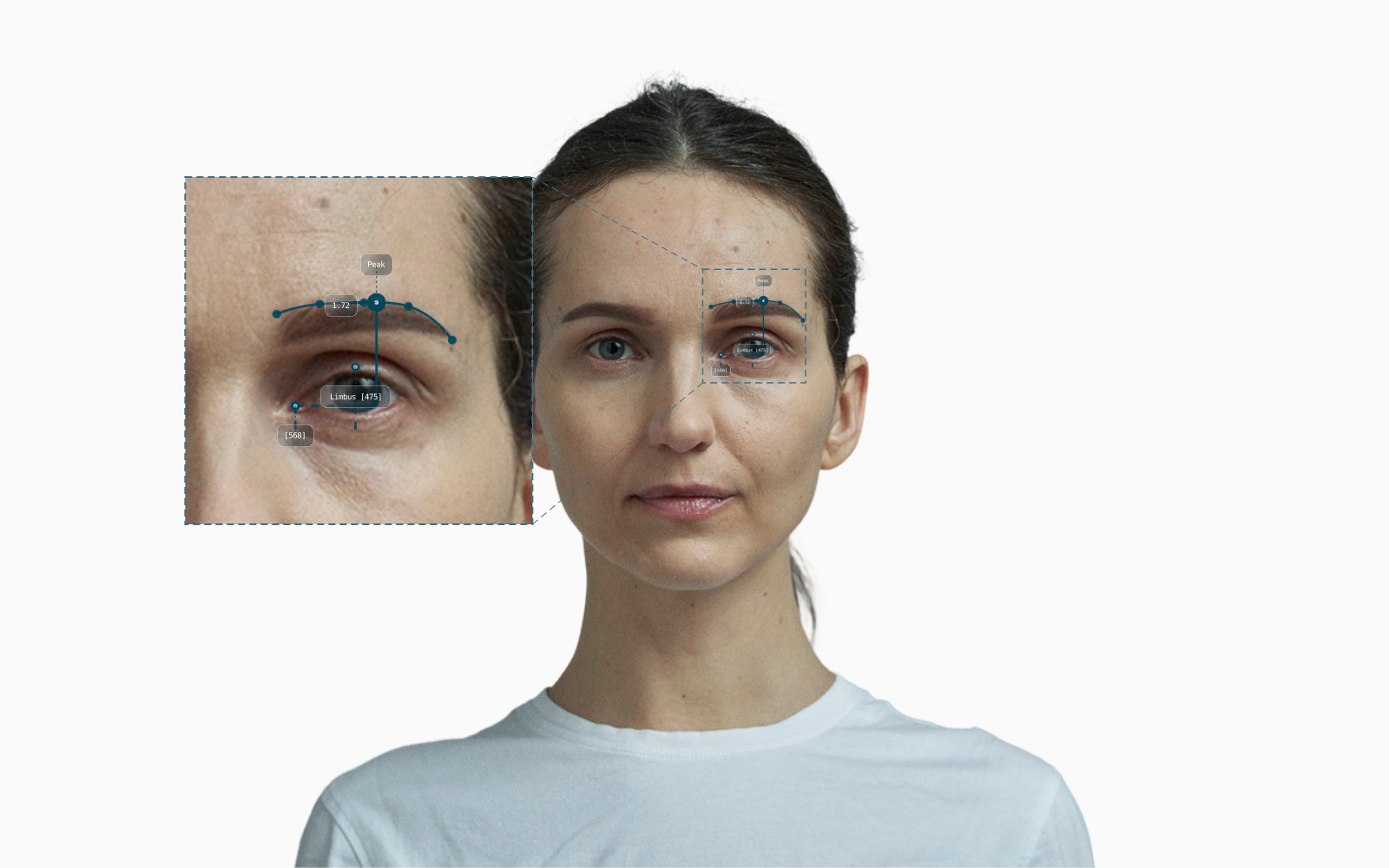
Brow elevation describes how high the eyebrow sits above the eye. When the brow drops and crowds the lash line, the look is called brow ptosis. It does a lot to decide whether a face looks open and rested or heavy and tired, and you can read it on a plain front-on photo.
How It's Measured
Brow elevation is read as the vertical height of the brow above the eye, set against the width of the eye so the number holds across face sizes. In the clinic the reference point is the bony rim of the eye socket: the lateral brow normally sits up to 10 mm above that rim, and the inner brow a touch lower than the outer (Naini, 2011).
Together these tell you whether the brow sits high and clear of the eye or has dropped into it. A brow that has fallen is hard to spot head-on because the eye reads as the tired part, when the real change is one storey up (Meneghini, 2005).

Lowering the brows toward the eyes drops the brow elevation ratio from 1.72 to 1.59. The lower brow reads heavier and more hooded even though the face is otherwise unchanged. Same identity, same lighting, same framing.
Why It Matters
The brow does a lot of the talking. Drop it a few millimetres and the face shifts from surprise toward anger or fatigue, which is why brow height carries far more weight than its size on the face would suggest (Sadr et al., 2003). People register the brow before they can say what they are reacting to.
A high, gently arched brow reads as feminine and alert, and raters lean toward that shape when they score faces on attractiveness (Zhao et al., 2019). The lateral third matters most. A brow that lifts cleanly at the outer end opens the eye; one that sags there is the first sign of brow ptosis and pulls the whole upper face down with it.
There is no single right height. The arch model that surgeons reach for was built mainly on white and African American faces and may not describe Asian brows well (Roth & Metzinger, 2003), so a number that looks low on one face can be normal on another. The cards and table below give working ranges, but read them against the face in front of you.
3–7 mm
Men
7–10 mm
Women
3–10 mm
Typical Range
Approximate height of the lateral brow above the bony eye-socket rim. Brow elevation is judged proportionally and varies with individual structure and background.
Demographic Variants
Brow elevation varies by sex and by population, so the ideal height is relative rather than fixed. Each row links to the source that described the pattern.
Population | Brow position tendency | Source |
|---|---|---|
Women (general) | Higher, more arched brow, lateral peak well above the rim | |
Men (general) | Lower, flatter brow sitting closer to the rim | |
White and African American | Arch model best validated here; clear lateral peak | |
Asian | Often a flatter, lower-set brow the Western arch model fits poorly | |
Older faces (both sexes) | Brow descends with age, the lateral end drops first |
Загрузите чёткую фотографию анфас. При желании добавьте снимки в профиль — всего до четырёх фотографий.
Перетащите файл сюда
НЕОБХОДИМЫЕ РАКУРСЫ
ИИ разбирает 177 параметров лица: видимые особенности кожи, пропорций, глаз, бровей и других черт. Недоступные по снимку показатели не измеряются.


Вы получите план с описанием сильных сторон, черт, которые можно улучшить, и наиболее подходящих способов сделать это.
Отчёт Эммы
16 января 2026 года
Объяснение
Глубина морщин на лбу соответствует норме для вашего возраста и демографической группы и находится ближе к нижней границе ожидаемого диапазона.
Ваши вопросы
Brow ptosis is a brow that has dropped from its normal height and sits low over the eye. It makes the upper lid look hooded and the face look tired or stern, and on careful inspection the brow itself, not the lid, is the part that has moved (Meneghini, 2005).
On a balanced face the outer brow sits up to about 10 mm above the bony rim of the eye socket, with the inner brow a little lower than the outer and the high point of the arch toward the outer third (Naini, 2011). Women tend to carry the brow higher and more arched than men.
Yes. The brow drifts down over time as the forehead soft tissue loosens, and the outer end usually falls first, which is the early picture of age-related brow ptosis (Meneghini, 2005). This is why some people look tired in photos long before they feel it.
A higher, gently arched brow tends to score better, especially on women, because it opens the eye and reads as alert (Zhao et al., 2019). A lower, flatter brow is normal on many men and on some populations, so brow elevation is judged against the rest of the face rather than chased to one number.